
Table of Contents
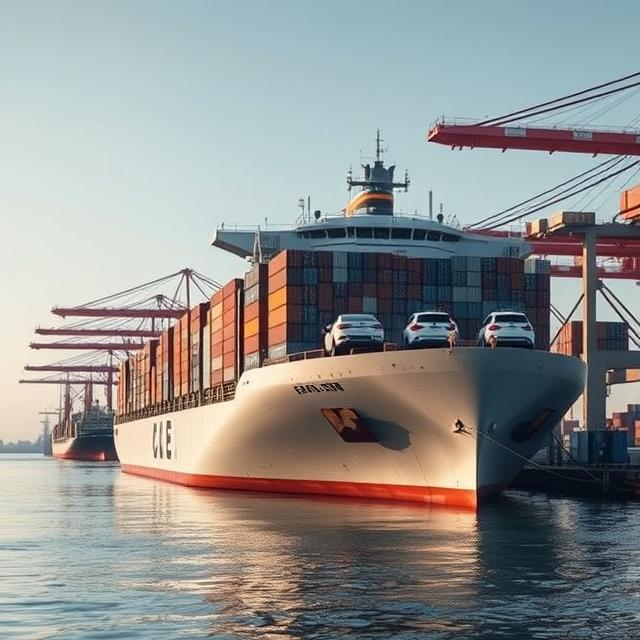
Sea freight forwarding in Dubai plays a vital role in connecting global markets. From large-scale container shipments to consolidated cargo, Dubai’s seaports—like Jebel Ali Port—are among the most advanced in the world. But while everyone knows Dubai is a hub of global trade, few truly understand how sea freight forwarding works and how to choose the right logistics partner.
This guide breaks it down step-by-step, blending expert logistics insights, customer reviews, and data-driven analysis to help businesses and individuals make the smartest decisions possible.
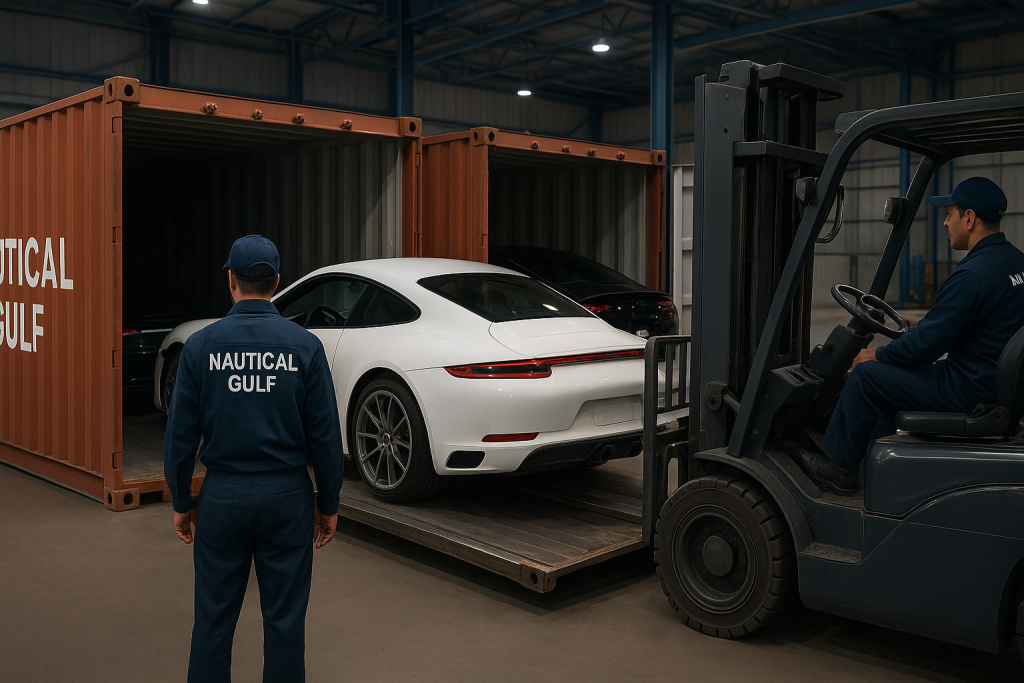
Sea freight forwarding is the process of transporting goods via ocean carriers. A freight forwarder acts as the link between a shipper and the shipping lines, handling everything from documentation to customs clearance, cargo tracking, and insurance.
Unlike standard shipping companies, freight forwarders provide end-to-end coordination, ensuring cargo moves seamlessly across borders.
- FCL (Full Container Load): When you occupy the entire container.
- LCL (Less than Container Load): When cargo is shared among multiple shippers.
- Bulk Shipping: Used for commodities like grains, oil, and minerals.
- RORO (Roll-on/Roll-off): For vehicles and heavy machinery.
Each type has its benefits—FCL offers privacy and control, while LCL is cost-effective for smaller volumes.
Dubai has established itself as one of the world’s most efficient maritime hubs, supported by:
- Strategic Location: Connecting Asia, Africa, and Europe.
- Jebel Ali Port: The largest man-made port in the world.
- Free Zones: Simplified customs and tax benefits.
- Strong Logistics Infrastructure: Seamless road–port connectivity.
- Advanced Technology: AI-powered shipment tracking, customs clearance automation, and blockchain-based cargo records.
Businesses in Dubai benefit from speed, transparency, and reduced costs, all backed by a regulatory environment that encourages global trade.
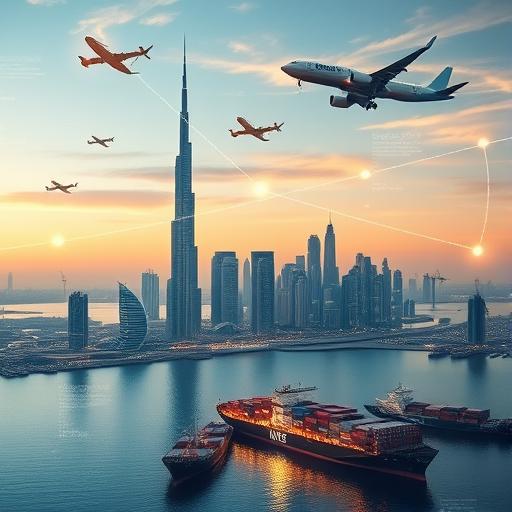
A frequent question among shippers: “Should I choose sea freight or air freight?”
Here’s a quick comparison:
| Factor | Sea Freight | Air Freight |
|---|---|---|
| Cost | 5–10x cheaper | Expensive |
| Speed | Slower (7–45 days) | Faster (1–5 days) |
| Capacity | High (bulk, heavy goods) | Limited (lightweight items) |
| Environmental Impact | Lower emissions per ton | Higher CO₂ footprint |
| Reliability | High (with right forwarder) | High, but weather-sensitive |
👉 For most commercial shipments, sea freight remains the preferred method due to its balance of cost and capacity.
Let’s break down the forwarding process in a real-world context:
- Booking & Quotation: The shipper requests a quote based on cargo weight, volume, and destination.
- Cargo Pickup & Documentation: The freight forwarder handles customs paperwork, bill of lading, and insurance.
- Container Loading: Cargo is packed, secured, and transported to port.
- Customs Clearance: Licensed agents ensure all regulatory approvals.
- Ocean Transport: Cargo sails via selected route and carrier.
- Arrival & Delivery: On arrival, the consignee is notified, customs are cleared again, and goods are delivered.
A strong forwarder ensures zero downtime, efficient port handling, and transparent communication.
Several elements impact sea freight costs:
- Distance & Route Selection
- Container Size & Type (20ft, 40ft, Reefer)
- Fuel Prices (Bunker Adjustment Factor)
- Port Handling Charges
- Customs Duties & Insurance
- Seasonal Demand & Peak Periods
💡 Tip: Opting for long-term forwarding contracts can reduce per-container cost by up to 15%.
The logistics industry in Dubai is rapidly evolving through:
- IoT-based Cargo Tracking
- AI Route Optimization
- Blockchain Documentation
- Green Shipping Practices (Low Sulfur Fuel, Eco Ports)
- Automated Customs Clearance
These innovations are making the process smarter, faster, and more sustainable—helping reduce human error and transit time.
- Ignoring experience with your cargo type.
- Not checking for valid trade licenses.
- Overlooking hidden costs (handling fees, surcharges).
- Choosing purely based on price rather than reliability.
- Failing to verify cargo insurance coverage.
Always read real reviews and check the company’s port performance history.
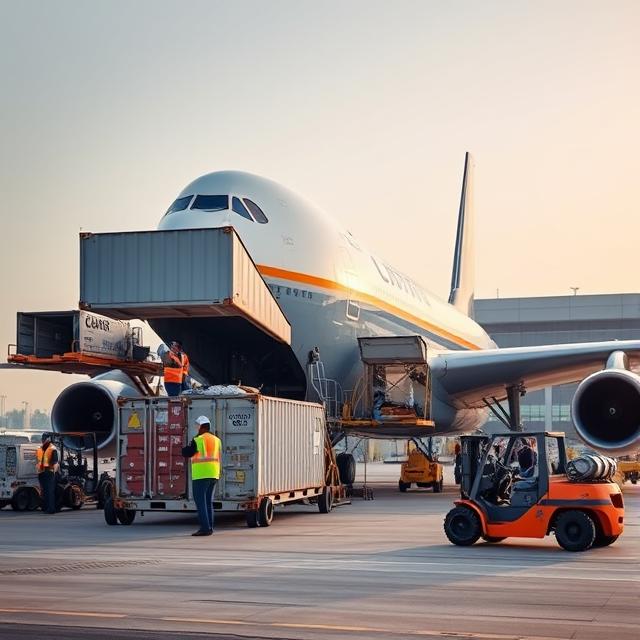
Dubai’s ports are now embracing eco-friendly logistics, promoting low-emission fuels and optimized shipping routes.
Freight forwarders are increasingly adopting carbon footprint calculators to track emissions per shipment, helping companies make informed environmental choices.
Here’s what logistics experts and customers recommend:
- Look for multi-route options (sea, air, and land).
- Verify FIDI/ISO certification.
- Ask for digital tracking access.
- Check local port partnerships (especially with Jebel Ali).
- Read client testimonials and long-term success stories.
A good freight partner acts as a strategic ally, not just a vendor.
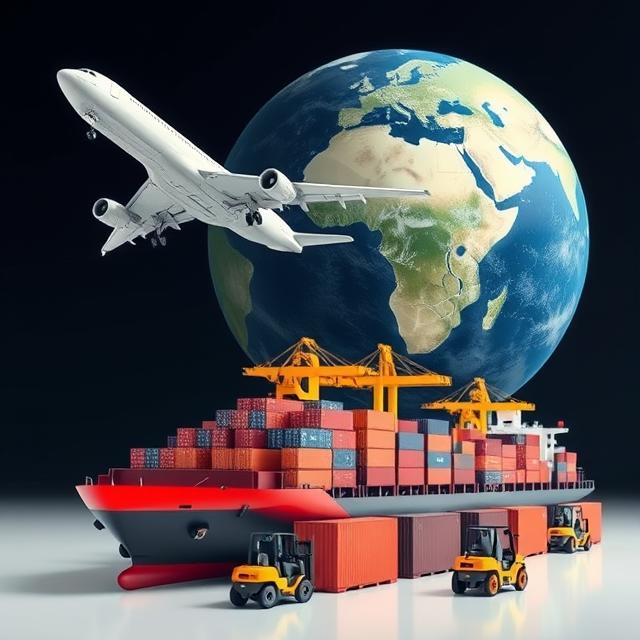
Sea freight forwarding in Dubai continues to power international trade, balancing cost efficiency, reliability, and sustainability.
Businesses that understand its process and partner with professional logistics providers can ensure smooth operations across borders.
When evaluating your next shipment, focus on reputation, transparency, and technology—these determine whether your cargo reaches safely and on time.
