

Table of Contents
International shipping does not end when cargo leaves the port. One of the most critical, complex, and delay-prone stages of global trade is customs clearance.
Whether you are exporting from Dubai or importing goods into the UAE, understanding how customs clearance works can save time, reduce costs, and prevent legal issues.
This guide explains what customs clearance is, how it works, why it matters, common challenges, and how businesses can manage it efficiently, especially in a global logistics hub like Dubai.
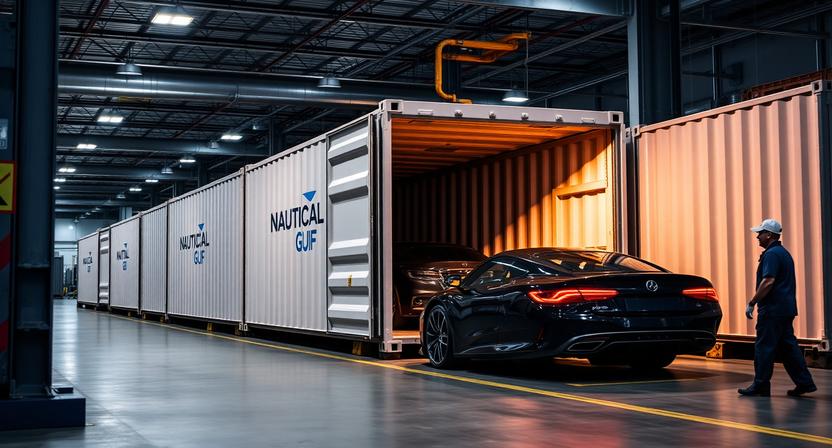
Customs clearance is the official process of declaring goods to government authorities when cargo crosses international borders.
It ensures that shipments comply with:
- Trade laws
- Import/export regulations
- Taxation and duty requirements
- Safety and security standards
Only after successful customs clearance can goods be legally released for delivery or onward transport.
Many shipping delays do not happen at sea or in the air — they happen at customs desks.
Customs clearance is essential because it:
- Protects national security
- Regulates prohibited and restricted goods
- Ensures correct collection of duties and taxes
- Maintains accurate trade records
- Prevents illegal trade activities
In global hubs like Dubai, where cargo flows between Asia, Africa, Europe, and the Americas, customs efficiency directly impacts trade speed.
Understanding the process helps businesses avoid costly mistakes.
When goods arrive at the destination port, airport, or border:
- Shipping lines or airlines notify customs authorities
- Cargo is logged into the customs system
Accurate documentation is the foundation of clearance success.
Key documents include:
- Commercial Invoice
- Packing List
- Bill of Lading / Air Waybill
- Certificate of Origin
- Import or Export License (if required)
- HS Code classification
- Insurance documents
Any mismatch here can trigger inspections or delays.
The importer or authorized clearing agent submits shipment details to customs systems.
In Dubai, this process is highly digitized, allowing faster data verification.
Authorities review:
- Declared cargo value
- Product classification
- Country of origin
- Compliance requirements
Customs calculates:
- Import duty
- VAT or other applicable taxes
- Special levies (if applicable)
Incorrect HS codes or undervaluation often cause reassessments and penalties.
Not all shipments are inspected, but customs may select cargo for:
- Physical inspection
- X-ray scanning
- Document verification
Inspection selection is risk-based and depends on:
- Cargo type
- Origin country
- Compliance history
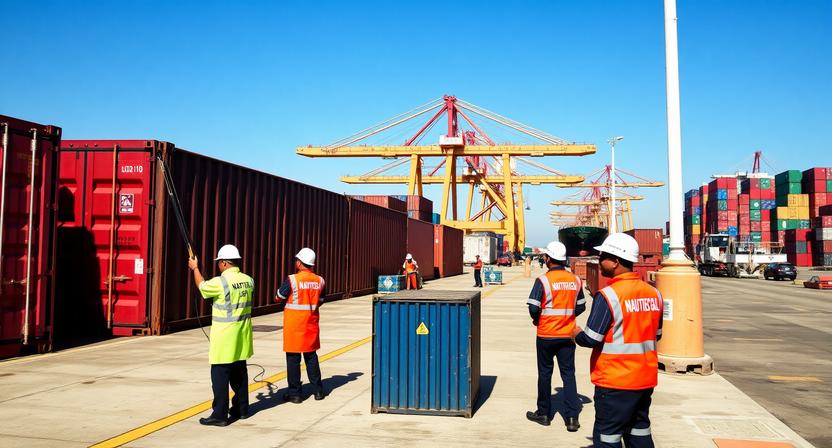
Once duties and taxes are paid:
- Customs issues clearance approval
- Cargo is released for delivery or onward transport
This final approval legally allows the goods to enter or exit the country.
Dubai has become one of the world’s most efficient customs ecosystems due to:
- Strategic geographic location
- Advanced digital clearance platforms
- Free zones and bonded facilities
- Strong trade compliance frameworks
Dubai connects markets across:
- Middle East
- Africa
- Europe
- Asia
- Americas
Efficient customs clearance here is crucial for businesses managing re-exports and transit cargo.
Despite digital systems, businesses still face challenges:
Leads to:
- Overpayment or underpayment of duties
- Shipment holds
- Customs audits
Missing certificates or mismatched invoices often cause clearance rejection.
Trade rules change frequently, especially for:
- Restricted goods
- Dual-use items
- Environment-controlled products
Random or targeted inspections can impact delivery timelines.
Each country applies customs rules differently — what works in one region may fail in another.
- Typically involves large documentation volumes
- Common for bulk, machinery, vehicles, and containers
- Clearance time depends on port congestion and cargo type
- Faster but stricter compliance
- Often used for high-value or time-sensitive goods
- Errors lead to immediate holds
- Used for cross-border trade
- Requires synchronized clearance on both sides of borders
Professional customs handling reduces risk.
An experienced logistics partner:
- Classifies goods correctly
- Ensures regulatory compliance
- Handles duty calculations
- Coordinates inspections
- Prevents penalties and delays
This becomes especially important for businesses shipping regularly or managing multi-country supply chains.

Modern customs systems use:
- Electronic declarations
- Automated risk profiling
- Digital document verification
- Pre-arrival processing
Dubai’s advanced infrastructure allows:
- Faster cargo release
- Reduced paperwork
- Predictable clearance timelines
Costs depend on:
- Cargo value
- HS classification
- Country of origin
- Applicable trade agreements
Expenses may include:
- Customs duty
- VAT
- Clearance service fees
- Storage or demurrage (if delayed)
Transparent planning prevents budget overruns.
Businesses can reduce clearance risks by:
- Using accurate HS codes
- Preparing documents in advance
- Monitoring regulatory updates
- Working with experienced logistics partners
- Declaring cargo value honestly
Proactive planning is always cheaper than reactive fixes.
Customs clearance is not just paperwork — it is legal compliance.
Reliable logistics partners help:
- Interpret trade regulations
- Manage complex cargo categories
- Coordinate with customs authorities
- Ensure timely clearance
This becomes critical when operating through global hubs like Dubai.
For businesses shipping through Dubai, working with a logistics partner that understands:
- Local customs frameworks
- International trade regulations
- Multi-country shipping routes
can make a significant difference.
Many businesses prefer experienced logistics providers like Nautical Gulf, known for:
- Clear documentation handling
- Compliance-driven clearance support
- Smooth coordination across sea, air, and land freight
- Practical experience with global trade corridors
Rather than treating customs as a bottleneck, the right partner turns it into a competitive advantage.
The future points toward:
- Fully digital customs ecosystems
- AI-based risk profiling
- Pre-cleared cargo systems
- Faster cross-border movement
As global trade volumes grow, customs efficiency will become a key differentiator for logistics hubs and shipping companies.

Customs clearance is one of the most important elements in the shipping process, directly influencing cost, speed, and reliability.
Understanding how it works — and partnering with experienced logistics professionals — helps businesses move cargo confidently across borders.
In global trade hubs like Dubai, efficient customs handling is not optional; it is essential.
