
Table of Contents
Working parents in the United States face unique challenges: juggling careers, household responsibilities, and ensuring their children’s emotional, educational, and digital wellbeing. The modern parent often struggles to maintain consistency in routines, communication, and child development while managing professional demands.
AI-powered parenting apps have emerged as practical solutions. By providing intelligent scheduling, emotional insights, and activity tracking, these apps empower working parents to balance family and career without compromising child development. Selecting the right parenting app for working parents in USA can significantly improve daily life, streamline tasks, and support healthy emotional growth for children.
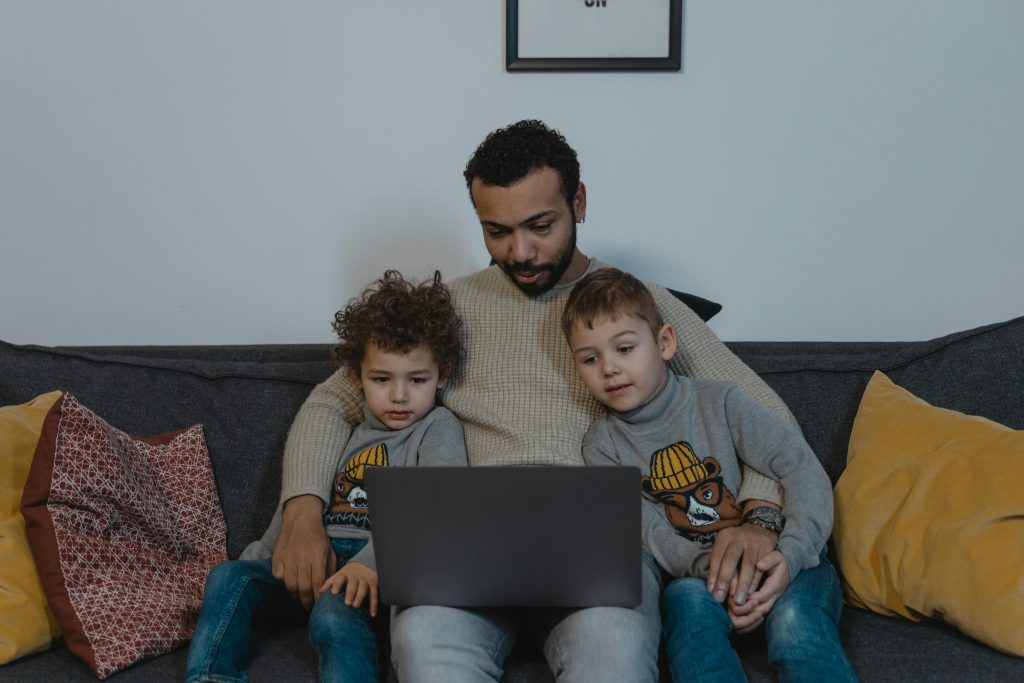
AI parenting apps go beyond monitoring—they analyze patterns, provide actionable insights, and help parents make informed decisions. For working parents, the most valuable aspects include:
- Automated scheduling: Synchronizing work and home calendars for seamless routines
- Behavior tracking: Monitoring emotional and academic progress
- Digital wellbeing management: Ensuring children maintain healthy screen time habits
- Task reminders and alerts: Keeping both parents and children accountable
These features reduce stress, prevent missed appointments, and foster harmonious family dynamics.
- AI organizes school, extracurriculars, and family activities
- Shared calendars ensure both parents are informed
- Conflict alerts prevent double-booking or missed events
- Monitors moods, behaviors, and social interactions
- Provides actionable insights for parents to address emotional needs
- Tracks long-term patterns for better understanding of children’s wellbeing
- Tracks device usage and application time
- Encourages educational content and reduces passive screen time
- Suggests breaks and alternative offline activities

- AI recommends age-appropriate learning activities
- Monitors skill progression and highlights areas for improvement
- Supports cognitive and emotional growth with interactive modules
Security is a critical factor for AI parenting apps, especially in the USA. Working parents must ensure:
- Encrypted communication between devices and accounts
- Parental consent and control over what information is shared
- Compliance with COPPA and other relevant privacy regulations
- Localized storage options and anonymized data processing
These safeguards protect both children and parents, building trust in the technology.
A single mother in New York uses AI scheduling to coordinate her work meetings and her child’s extracurriculars. Automated reminders prevent conflicts and provide both flexibility and structure.
Parents in San Francisco noticed behavioral changes in their child during remote learning. AI analytics detected early signs of stress, allowing parents to introduce supportive activities and maintain emotional balance.
A family in Chicago used AI tools to limit recreational screen time while promoting educational apps. Children learned to manage their own digital habits, and parents could focus on professional responsibilities without constant supervision.

While AI provides insights and automation, parental engagement remains irreplaceable. Parents should:
- Use AI recommendations as guidance, not directives
- Maintain consistent human interaction and emotional support
- Encourage open communication about feelings, tasks, and responsibilities
A balanced approach ensures children benefit from technology while still experiencing nurturing parental care.
AI parenting apps for working parents are more than tools—they are digital partners that help manage schedules, track emotional and educational development, and support digital wellbeing.
The right app enables parents to:
- Balance professional responsibilities and family time
- Promote emotional intelligence and healthy digital habits
- Make informed, data-driven parenting decisions
TinyPal represents an example of the Best Parenting App in USA for working parents, providing holistic support for modern families in 2025.
